
Will Gold Prices Rise or Fall? The Signals Worth Watching
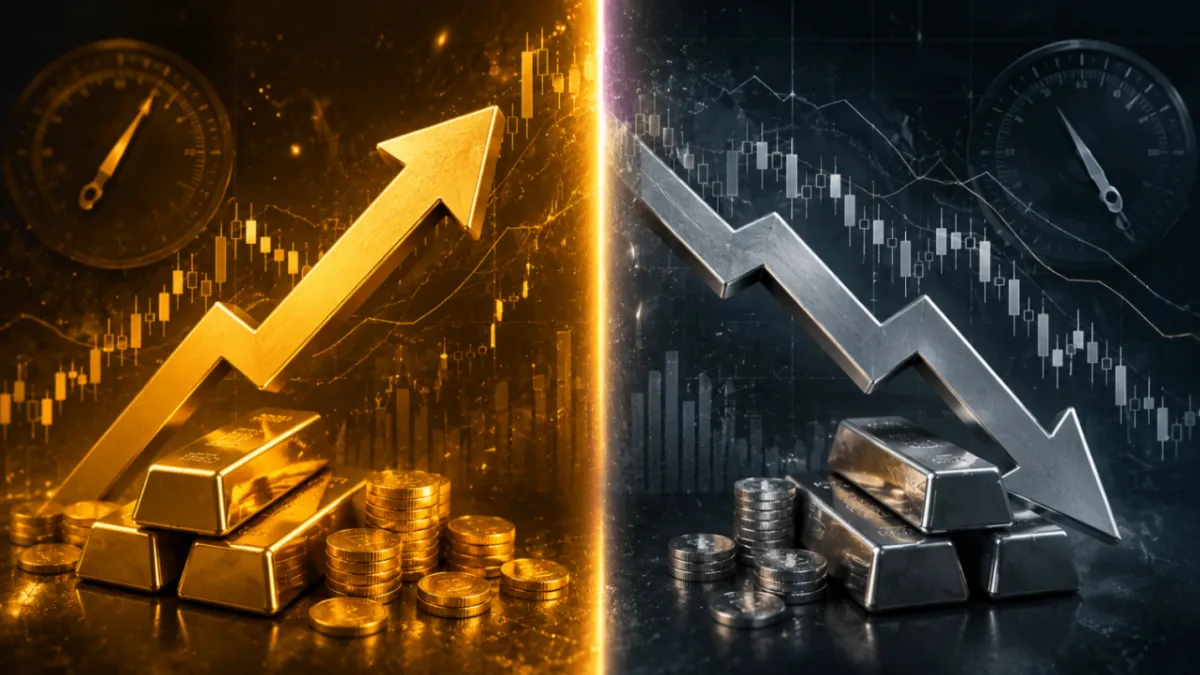
Whether gold rises or falls next month is uncertain, but the probabilities are not random. Several free, public indicators tilt the odds one way or the other. Here is the watchlist that helps you form a view instead of relying on a hunch.
Real interest rates (the single biggest lever)
Real yields are nominal interest rates minus inflation. When real yields fall, the opportunity cost of holding non-yielding gold drops and prices usually rise. When real yields climb, gold often struggles.
Track central-bank policy direction: a pivot toward rate cuts is typically bullish for gold; a hawkish, higher-for-longer stance is a headwind.
The US dollar index (DXY)
Gold and the dollar tend to move inversely. A strengthening dollar makes gold pricier for non-dollar buyers and weighs on demand; a weakening dollar is supportive.
Inflation and geopolitical risk
Gold is a classic inflation and crisis hedge. Rising inflation expectations or escalating geopolitical tension (wars, sanctions, financial instability) pushes safe-haven demand higher.
ETF flows and central-bank buying
Inflows into global gold ETFs signal investor appetite; sustained outflows signal the opposite. Central-bank purchases, reported regularly, indicate structural demand that supports prices.
Physical demand in India and China
India and China are the world's largest gold consumers. Strong festival, wedding and jewellery demand supports prices, while high prices that choke demand can cap rallies.
Putting the signals together
No single indicator decides the trend. Weigh them together: if real yields are falling, the dollar is soft, risk is rising and ETF flows are positive, the bias is up. If most point the other way, expect pressure.
- Bullish mix: falling real yields, weak dollar, rising risk, ETF inflows
- Bearish mix: rising real yields, strong dollar, calm markets, ETF outflows
- Always cross-check with USD/INR for the rupee impact at home